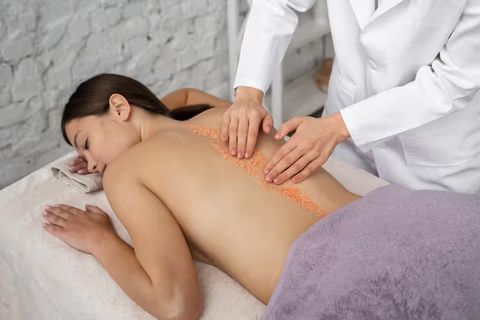
Muscle Discomfort Relief Explanation for Treatment Options and Prevention Strategies
Most times, sore muscles fade away after a break plus basic self-care. Yet when ache keeps returning or won’t quit, it might point to hidden factors like slouched sitting, too much repetition, or not enough downtime. Figuring out why it hurts shapes how best to ease it, stop it coming back.
Most people today care more about staying active, so they search for safe solutions when muscles ache. Because movement matters, knowing what leads to soreness helps figure out next steps. Some approaches ease pain fast, while others build strength over time. Learning these methods makes daily life smoother without drastic changes. Each body reacts differently, yet small consistent choices often bring steady results.
People impacted and issues addressed
Anyone might feel muscle soreness, shaped by how they move through their day. A person's routine often decides whether tension builds up or stays low.
Key Groups Affected
- Office workers with prolonged sitting
- Individuals engaging in physical exercise
- People with poor posture habits
- Older adults experiencing stiffness
- People who move in the same way again and again
Common Challenges
- Muscle soreness or stiffness
- Limited range of motion
- Fatigue in specific muscle groups
- Discomfort during movement
- Slow recovery after activity
Practical Problems Solved
- Post-exercise soreness
- Tension from prolonged sitting
- Minor muscle strain
- Poor recovery habits
- Lack of flexibility
Common Causes of Muscle Discomfort
Muscle discomfort can arise from various physical and lifestyle factors.
Physical Causes
- Overuse or repetitive movements
- Sudden increase in activity
- Poor posture
- Lack of stretching
Lifestyle Factors
- Sedentary routine
- Stress and tension
- Inadequate hydration
Causes Table
Working out too hard brings sore muscles. Hours spent sitting lead to stiffness. Not moving much weakens muscle strength. Stress shows up as tightness in the body.
Symptoms to Recognize
Figuring out what signs are present can show how bad muscle pain might be.
Common Symptoms
- Mild soreness or stiffness
- Muscle tightness
- Reduced flexibility
- Fatigue in affected area
Warning Signs
- Severe or persistent pain
- Swelling or redness
- Difficulty moving the muscle
- Pain that worsens over time
Symptoms Table
SymptomPossible MeaningMild sorenessNormal strainStiffnessLimited movementPersistent painNeeds attentionSevere painMedical evaluation required
Treatment Options for Muscle Discomfort
Rest and Recovery
Rest lets your body heal after movement. A pause helps strength return stronger later.
Cold and Heat Therapy
- Cold packs help reduce inflammation
- Warm compresses relax muscles
Gentle Stretching
Stretching gently each day helps your body move more freely while easing tightness in muscles.
Hydration
Water in the right amounts helps muscles work better. When you drink enough, healing after effort goes smoother.
Treatment Table
MethodBenefitRestMuscle recoveryCold therapyReduces inflammationHeat therapyRelaxes musclesStretchingImproves flexibilityHydrationSupports function
How Movement Helps Healing
Rest isn’t always best; shifting positions gently might help healing more than staying still. Sometimes motion keeps things working better than shutting down completely. A little change in how you move could make a difference when getting back on track.
Light Activity
On your feet, a slow stroll gets blood moving better. Movement, even slight, helps flow inside the body. Step by step, things start working smoother. A soft pace wakes up circulation without force.
Gradual Exercise
Once the ache fades, ease back into movement. Step by step works better than rushing ahead. After pain drops off, try small motions first. Going slow helps when restarting tasks. Wait until it feels lighter before pushing further.
Activity Table
Walking around a bit gets your circulation going. Starting slow helps avoid getting hurt again. Moving little by little makes recovery smoother
Prevention Strategies
Staying ahead of sore muscles means looking after your body every day. Good posture sneaks into the picture when you move with care. Smooth motions matter just as much as rest does later. Choices like stretching slowly add up over time. How you stand, sit, or lift plays a quiet role each hour.
Maintain Proper Posture
Start tall, move slow - posture shapes how you feel. Balance shifts when bones line up right. Stay steady by grounding feet first. Lengthen through the spine without forcing it. Build ease simply by adjusting height gently.
Warm-Up Before Activity
Warm up your body first so it's ready for movement. This helps avoid harm when you start working out.
Stretch Regularly
Include stretching in daily routines.
Stay Hydrated
Water keeps muscles working well when you move.
Prevention Table
Standing tall takes pressure off your body. Before moving, spend time easing into motion. Lengthening muscles helps them move better. Drinking water keeps tissues working right
Changes in Work and Everyday Routines
Take Regular Breaks
Sitting still for hours slows things down. Try shifting every now then instead.
Ergonomic Setup
Use proper chair and desk alignment.
Balanced Routine
Walk around during phone calls. Stand up every hour. Stretch while waiting. Pace back and forth when thinking. Move your body between tasks.
Workplace Table
AdjustmentBenefitBreaksReduces stiffnessErgonomicsImproves postureMovementMaintains flexibility
Lifestyle Habits That Support Muscle Health
Balanced Diet
Include nutrients that support muscle repair.
Quality Sleep
Sleep allows the body to recover.
Stress Management
Reducing stress helps prevent muscle tension.
Lifestyle Table
HabitBenefitNutritionSupports recoverySleepMuscle repairStress controlReduces tension
Common Mistakes to Avoid
Skipping Warm-Up
Increases risk of strain.
Overtraining
Pain lingers longer than expected. Sometimes it just won’t ease up.
Ignoring Pain
Beware - this could make things worse. Still, it might not help at all. Sometimes the outcome leans toward harm instead.
Mistakes Table
MistakeImpactNo warm-upInjury riskOvertrainingFatigueIgnoring symptomsDelayed recovery
Recent Trends in Muscle Recovery
Key Trends
- Increased focus on recovery routines
- Use of wearable fitness trackers
- Awareness of posture and ergonomics
- Integration of stretching and mobility exercises
Trends Overview Table
TrendInsightRecovery focusBetter performanceFitness trackingImproved awarenessErgonomics awarenessReduced discomfortMobility exercisesEnhanced flexibility
Tools and Resources
Common Tools
- Foam rollers
- Stretching guides
- Fitness tracking apps
- Ergonomic accessories
Tools Comparison Table
Tool TypeFunctionBenefitFoam rollersMuscle relaxationReduced tensionStretch guidesImprove flexibilityBetter movementTracking appsMonitor activityAwarenessErgonomic toolsSupport postureComfort
FAQ Section
What causes muscle discomfort?
Straining your body too much might lead to trouble. Sitting slouched throughout the day plays a part. Muscles stiffen when they never get pulled out properly.
What's the usual timeline for achy muscles to fade away?
Soreness that's mild tends to fade after several days.
Rest or Move?
Most of the time, moving around a bit does good - yet pushing too hard brings trouble. Stillness creeps in when effort crosses the line.
Signs it might be time to talk to a doctor?
When discomfort hits hard, lasts too long, or limits how you move.
Can hydration help muscle recovery?
Water keeps muscles working well during activity. It also helps them bounce back after effort.
Conclusion
Most people feel muscle soreness at some point - it usually goes away with basic care. Knowing what brings it on, plus how it shows up, makes picking solutions easier.
Most people feel better when they rest while adding light motion, drinking enough water, then easing into stretches. Staying upright through the day, preparing the body before effort, along with daily routines that support health - these quietly lower chances of pain returning.
Most days, staying on top of muscle soreness means moving easier, feeling better. Care that sticks around changes how the body responds - slowly, steadily. Awareness shows up quietly, yet makes space for less pain, more freedom. Comfort grows when attention does, not overnight. Physical ease? It builds through small choices repeated.
Disclaimer:Just so you know, what's here is meant to share info, nothing more. Accuracy isn’t promised - take it as a starting point, not proof. This isn’t expert guidance, nor should it replace one. Relying solely on these words? Probably unwise. Look deeper, talk to specialists, form your own view.