Learn About Integrative Pain Management With Holistic Care Knowledge
Most people feel better when their treatment blends standard medicine with supportive methods backed by research. Not just targeting discomfort, this path looks at many sides of life tied to suffering - how the body works, mood, daily routines, rest, pressure from responsibilities, how someone moves through each day, even who stands beside them. Healing becomes deeper when it includes more than prescriptions alone. What matters most? Building a plan wide enough to hold every piece of a person's story around hurt. Care shaped like that tends to stick.
Lately, more doctors and patients are turning toward blended ways to handle lasting pain, especially when looking at overall well-being. Across the globe, studies show persistent discomfort touches countless lives, shaping how folks move, rest, stay active, do their jobs, and feel day to day. With fresh insights emerging all the time, clinics now see progress happening most when treatments mix medicine, movement, mindset shifts, and everyday habit changes - not just one fix alone.
Pain shows up for different reasons - broken bones, strained muscles, damaged nerves, healing after surgery, or ongoing illnesses. One person’s ache might feel nothing like another’s, so what works for one may fail for someone else. Relief that fits a lifestyle matters, not just easing discomfort but staying active, self-reliant, even balanced. Knowing who finds value here - and what hurdles exist - adds clarity before diving into methods and tools.
Who Is Affected and What Issues Are Addressed
Most folks, young or old, find relief through combined approaches to pain. Office staff dealing with constant typing strains might try it, just like runners healing torn muscles. Elderly persons handling daily aches often see shifts. Those stuck with ongoing joint or bone issues sometimes notice changes too. Even someone mending after an operation or sickness could feel differences. Doctors focused on health, helpers tending the injured, therapists guiding recovery, plus coaches shaping well-being routines - many step into these blended methods. Pain handled this way touches more lives than you’d first guess.
Most people think pain comes from just one thing. Yet bodies react in layers. When muscles ache, moods often dip too. Tension builds when rest feels out of reach. Sitting too long worsens stiffness over time. Feelings shape how intense suffering seems. Doctors see better results when looking beyond sore spots. Healing shifts when daily habits enter the conversation. Relief sometimes hides in routine changes nobody expects.
Some days just getting through routines feels tough. When pain sticks around, moving well, doing workouts, handling jobs, or enjoying hobbies can become hard. Care that combines different approaches usually focuses on making day-to-day life easier. It supports staying involved in what matters, keeping movement going, balancing discomfort without letting it take over.
Most people get it wrong when they think integrative pain care swaps out regular medicine. Instead, these methods usually run hand in hand with standard treatments, recovery plans, along with advice from trained providers. What matters most is blending useful tools to boost general well being. Seeing this mix clearly helps make sense of newer shifts seen lately across treatment styles and advances in health services.
Recent Updates
Most days now, doctors team up with others like movement experts, mind coaches, food planners, and more when handling pain. Through the last twelve months, clinics keep leaning into group-style treatment plans. Instead of going solo, medical staff link arms across fields to cover every angle a person might need. This shared effort aims to meet each concern without leaving gaps. Together, they map out steps that fit how someone truly lives.
These days, more people are seeing how mind and body connect when it comes to healing. Studies keep showing that emotions, rest patterns, tension, and mood shifts can change how pain feels. Because of this shift, clinics now blend awareness exercises and behavior techniques right into standard care for discomfort.
Out here, digital tools are showing up more in how people handle pain. Phones carry apps that track discomfort day by day. Devices you wear pick up body signals without hassle. Rehab now sometimes happens through online spaces where movement is guided at a distance. Talking to doctors? That’s easier too - video visits fit into life without extra trips. Learning about your condition comes straight to screens, no waiting rooms needed.
Now more than ever, lifestyle matters when it comes to handling pain. Moving regularly helps, just like getting solid rest each night. Eating with thought plays a role too, while staying on top of daily pressures makes a difference. Because these pieces connect so closely, they’re showing up more in full-body approaches to discomfort. With time, their part in healing becomes clearer, shaping how support is built around real needs.
Comparison Table
A look at typical ways to manage pain through combined methods shows what each aims to achieve.
Getting checked by a doctor helps figure out what is wrong plus how to treat it, leading to care that fits your needs. Working on movement through physical therapy can make getting around easier over time. Building strength along with flexibility using exercise routines supports everyday actions. Paying attention to thoughts and feelings may boost your ability to handle tough moments. Rubbing muscles and soft tissues brings ease into tense areas while calming the body. Eating better shapes long term well being when paired with informed choices. Improving rest patterns encourages sharper days due to deeper recovery at night. Talking through emotions builds tools for managing discomfort more steadily. Learning new ways to do tasks makes life simpler despite limits you face now. Understanding health topics empowers decisions that stick beyond quick fixes.
Not every method works the same way, yet together they form a broader response to how people feel discomfort. One path might ease physical tension while another helps manage emotional strain - each shaped by what matters most to the person healing.
Rules and How to Follow Them
Most nations handle pain care through medical systems built on safe practices, trained staff, clear patient agreement, and methods backed by research. Before suggesting treatments, professionals usually take time to review each person’s situation closely.
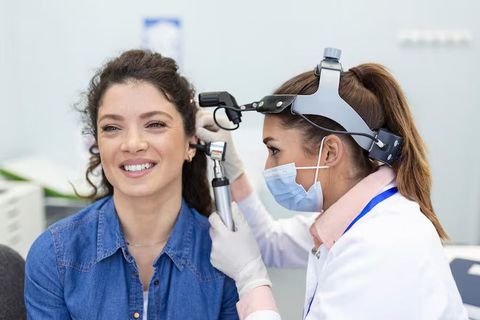
Getting checked by a professional might be where it starts. Since discomfort can stem from many health issues, finding the right diagnosis makes sure root problems get spotted - then handled the proper way. Looking into things fully could involve checking your body’s condition, going over past health records, even talking through daily habits affecting how you feel.
When doctors talk to each other, it makes combined care work better. Treatment paths that line up mean one therapy doesn’t clash with another - instead, they team up toward the person’s health aims. People usually get reminded to speak up about every kind of healing method or daily habit they’re trying.
Sticking with it matters just as much. Some approaches build slowly, not all at once. Showing up each week - whether for movement work, talking through things, or daily habits - tends to support steadier gains in how you feel and move through life.
Which Integrative Approach Fits Your Situation?
Most people with slight or moderate muscle and joint pain find help through exercise-focused plans. Instead of staying still, they move more - slowly gaining flexibility. Posture fixes come into play, shaping how someone sits or stands throughout the day. Stretching shows up regularly, easing tension without force. Movement therapies weave in, guiding bodies back toward smoother function. The goal isn’t flashy - just better motion, fewer restrictions.
When stress weighs heavy, some turn to quiet moments of awareness. A slower breath here, a pause there - these small shifts often make space for relief. Instead of rushing through tension, people sometimes discover comfort in simply noticing what's happening inside. Feelings tangled with ache tend to loosen when met with steady attention. Support that focuses on habits and emotions can change how struggle shows up day to day. Relief isn’t always about fixing - it might be about staying present.
When older people face lasting movement issues, care teams sometimes blend physical activity with recovery work, health guidance, one-on-one help. Staying self-reliant, feeling better each day - these tend to sit at the heart of such efforts.
Getting back on your feet after an injury or surgery often means following a plan made just for you one shaped by doctors, steady steps forward, and specific treatments. What works best hinges on past health issues, how you’re feeling now, what you hope to achieve plus advice from trained professionals. That mix shows why having tools around matters - tools that help people understand their choices while working together with caregivers when dealing with ongoing discomfort.
Tools & Resources
Several resources can help individuals support integrative pain management efforts and overall wellness.
Tracking pain day by day shows how your body reacts to different tasks. What you do each hour might shape how discomfort shifts through the week. Noting treatments helps spot what truly eases tension after several tries. Patterns begin appearing when details stack up across weeks. Small notes today build a clearer picture of healing tomorrow.
Meditation Applications - Provide guided relaxation and mindfulness exercises.
Exercise Planning Tools - Support safe and structured physical activity routines.
Rest tracking tools can point out routines affecting how well you recharge nightly. A closer look at patterns often reveals what helps or hinders sleep quality over time.
Starting off with wellness education programs - they share clear ways to live healthier. These efforts pass along useful tips on handling personal health day to day. Instead of just listing rules, they guide people through better choices slowly. Learning happens step by step, not all at once. Knowledge builds up naturally when it fits into real life. The goal shows itself quietly: steady improvement without pressure.
Rehabilitation Resources - Provide guidance related to mobility, flexibility, and physical function.
People find strength when they talk openly about what they face. Talking together brings new ideas. Learning grows where stories meet. Moments of struggle turn into chances to grow, together. Trust builds slowly through honest words. New understanding shows up in quiet conversations.
Starting off, these tools work alongside expert treatment while encouraging people to take part in their own healing. Questions often pop up about how combined approaches handle pain and what that looks like day to day.
Frequently Asked Questions
What is integrative pain management?
Most people feel better when treatment blends standard medicine with things like movement work, body awareness, eating changes, mental practices, or guided daily habits. Instead of just fixing symptoms, it looks at what's really feeding discomfort over time. Healing often grows where science meets personal experience. Different tools help different parts talk to each other - nerves, thoughts, muscles, routines. Relief shows up in steps nobody plans but everyone notices.
Why is a holistic approach important for pain management?
Body ache ties into feelings, actions, daily habits - sometimes one tugs at the others. When care looks beyond just hurting, but also how life shapes that hurt, shifts happen slowly. Looking wider instead of only where it stings can open paths to feeling more like yourself again.
What if integrative pain care stepped into the role of standard medicine?
Most people use integrative pain approaches alongside regular treatment - never swapping one for the other. Talking through options with trained providers helps figure out what fits personal symptoms and body responses best.
What is a common misconception about holistic pain care?
Most people think holistic care means just using non-traditional treatments. Yet real-world practice usually links clinical assessments with physical recovery work, movement routines, patient learning, and supportive methods backed by research - all woven into one unified health strategy.
How long does it take to see results from integrative pain management?
How fast things change depends on who you are, what's going on, yet also how you're tackling it. A few might see shifts soon after starting, whereas some spot small changes piling up slowly. Sticking with it helps, especially when support comes from someone skilled plus choices fit personal needs.
Conclusion
Starting with the whole picture, integrative pain management blends standard treatments with rehab methods, habit changes, and well-being practices. Instead of fixating only on discomfort signs, it looks at wider elements affecting body ease, everyday movement, ability to do tasks, plus long-term living quality.
Most times, handling pain well comes down to clear evaluation mixed with custom plans built around one person’s needs. Care that flows smoothly between professionals helps when paired with effort from the person involved. Physical therapy might join forces with movement routines while mental focus techniques team up with better sleep habits. These pieces fit alongside changes in daily actions to shape steady health progress over time.
Though science digs deeper into healing, blended care methods might quietly reshape how people manage pain. These approaches could stick around because they fit lives better. Instead of chasing quick fixes, they nudge things toward balance. Health feels more like a steady rhythm than a race when the whole person matters.
Disclaimer: Just so you know, what's written here is meant to share info, nothing more. Accuracy isn’t promised - details might shift, slip, or miss the mark now and then. This isn’t a substitute for expert guidance, even if it feels helpful at times. Decisions shouldn't hinge on these words alone. Looking deeper yourself matters most when something counts.