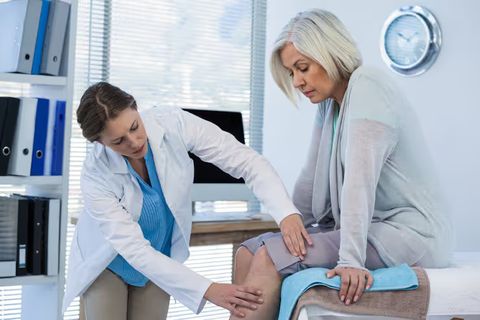
Joint Pain Relief Exercises Facts for Understanding Mobility Benefits
These days, moving the body matters more because folks want gentle options for easing stiff joints while staying self-reliant. Doctors tend to suggest steady movement that's easy on the body to help joints work better. Though quiet at first glance, motion quietly strengthens daily freedom.
These days people are trying things like step-by-step stretch sessions, phone apps for exercise at home, or gentle workouts including yoga, walking, or activities in water. When someone learns moves that ease joint discomfort, getting around often feels smoother and safer.
Who it affects what problems it solves
Older folks might find these moves helpful when joints feel stiff. People dealing with arthritis often notice a difference after trying them. Those staying active yet healing from overuse can benefit too. Stiffness fades for some who move regularly through gentle patterns. Limited motion? These steps could open up small gains.
Issues It Addresses
- Joint stiffness
- Reduced mobility
- Muscle weakness around joints
- Poor flexibility
- Discomfort during movement
- Reduced independence in daily activities
recent updates and trends
Last twelve months brought a shift - attention now lands firmly on moving well, feeling steady. Joints matter more these days when talking about getting better or staying strong. People find themselves doing structured workouts right where they live, led by screens instead of clinics. Therapy that once meant travel now arrives through video, quietly reshaping how care fits into daily life.
Sitting-based yoga shows up more often now, while water workouts catch on just as fast. Apps that guide movement join the mix, quietly becoming common too.
From step counts to daily motion, wearable tech quietly follows how people move. These gadgets support steady routines without pushing too hard. Movement gets noticed, then shaped into safer workouts over time.
Folks are starting to see how movement pairs well with things like flexing muscles, drinking water, wearing good shoes. A shift’s happening - simple habits link up now, making activity feel smoother, more balanced each day.
Older adults might get gentler routines while younger ones face tougher drills, depending on how well they move. Custom workouts now shape themselves around a person's years plus their range of motion. Some stretch more, others build muscle, all according to individual needs. Flexibility plans shift when joints stiffen with time. Strength training changes too, matching each body’s current state.
Joint Pain Relief Through Exercise
Movement feels smoother when the body bends more easily. Joints stay safer with stronger muscles around them. Blood moves better through limbs, warming stiff areas. Over weeks, aches may slowly fade into background noise. Standing steady cuts the risk of tripping on uneven floors.
Staying mobile over time gets easier because of these perks.
Common Joint-Friendly Exercises
Moving your body slowly helps blood flow, leading to easier daily movements. A little bending each day means less tightness, bringing more ease. In water, you glide without strain, making workouts feel lighter. Holding poses builds stretch and calm at once. Pedaling gently works the heart while being kind to knees and hips.
Most people suggest doing these workouts. Some find them helpful for daily routines too.
Build Strength for Better Support
Leg Raises Knees Hips Muscle Support Stability. Wall Push-Ups Shoulders Arms Strength Upper Body Support. Seated Marches Hips Legs Gentle Strengthening Mobility. Heel Raises Ankles Calves Balance Better Movement.
Working muscles eases pressure on joints.
Safety Tips for Exercise
Warm Up Muscles To Prevent Injury And Enable Safe Movement. Start Slowly To Reduce Strain And Increase Comfort. Use Correct Movements For Better Results And Safety. Pause When Pain Grows To Avoid Harm
Safety improves effectiveness.
Daily Mobility Habits
Habit Description Benefit Result Stretch Daily Gentle Movement Flexibility Less Stiffness Stay Active Avoid Long Inactivity Joint Lubrication Better Mobility Maintain Healthy Weight Reduce Joint Pressure Less Strain Comfort Wear Supportive Shoes Improve Alignment Safety Better Walking
Small choices each day build a stronger body over time.
Signs You Might Need Professional Support
Pain that hits hard might mean something serious needs checking by a doctor - watch how it changes. When swelling shows up, often paired with redness, see someone who knows bodies; they decide what comes next. Moving less than usual? Tasks feel harder? A therapist can guide steps toward getting back on track. Exercise bringing hurt afterward suggests pushing too far - tweak the routine so things stay safe
Recognizing warning signs is important.
performance factors optimization
Moving your body often builds lasting strength, which brings a steady rhythm to daily life. Switching up activities keeps things balanced, leading to smoother motion each day. Time off helps tissues mend, avoiding strain while increasing ease of movement. Drinking enough water aids muscle and joint function, lifting overall capability. Health grows when habits align without force or rush behind them.
Fixing these pieces leads to better outcomes.
How Things Work Around You Every Day
Start moving gently when you wake up, slip it in during a midday pause, otherwise tie it into your night unwinding.
While seated, older people might try simple movements using a chair. Those at desks could pause now and then - loosening tight muscles helps.
People who stay active might try gentle exercises that keep movement fluid without pressing hard on joints.
These practical habits support daily movement.
Laws and Policies for Health and Wellness
Staying active fits well with advice meant to keep people healthy. Movement that's gentle on the body shows up often in official guidance. What experts suggest usually includes ways to move without risk. Safety sits at the center of most plans made for physical activity. Many guides point toward motion that supports strong daily living.
Most health advice across India comes from doctors working alongside the Indian Council of Medical Research. Their combined input shapes how wellness tips are shared nationwide.
Practical Guidance Table
Morning Stiffness Eased With Gentle Stretching. Knee Discomfort Soothed By Low Impact Movement. Limited Mobility Managed Through Chair Exercises. Ongoing Pain Addressed With Professional Guidance
Tools and resources for mobility support
Various tools can help support exercise routines.
Common Tools and Resources
- Resistance bands
- Yoga mats
- Mobility apps
- Supportive footwear
- Fitness trackers
Tools Comparison Table
Resistance Bands Strengthening Muscle Support. Yoga Mats Comfort During Exercise Stretching. Mobility Apps Guided Routines Learning. Footwear Support And Alignment Walking. Trackers Monitor Activity Awareness.
Frequently Asked Questions
Can exercise help joint pain?
Slow movement can help loosen tight muscles while easing resistance in joints. Starting small often brings shifts people don’t expect - motion adds flow where there was pause. A step becomes a rhythm without announcing itself.
What is the best exercise for joint pain?
Some people choose walking. Others find relief in water through swimming. Stretching shows up often too.
Exercise Hurts Should I Stop?
If discomfort gets worse, halt right away. Should sharpness appear, step back immediately. In case it turns intense, pause without delay.
Can weight affect joint pain?
Yes, excess weight may increase pressure on joints.
Exercise Frequency Guidelines?
Sticking to a routine matters when it feels right and someone shows you how. What counts isn’t speed but showing up each day without strain. Ease shapes reliability more than force ever could.
Conclusion
Starting gently helps joints move better over time. Motion that doesn’t strain keeps stiffness at bay. Building strength around weak areas makes everyday actions easier. Moving each day adds up without pushing too hard. Careful repetition brings more ease than force ever could.
Walking plans that guide you step by step are getting easier to follow. Devices you wear now adapt to how you move each day. Because of this, people stick with activity longer. Health gains come through steady motion, shaped around real lives.
Most people find steady effort matters most when moving better every day. Staying safe while slowly doing more helps protect how joints feel over time. Progress shows up best when routines stay regular without rushing ahead. Comfort often grows when movement builds step by step, not all at once. Active lives tend to stick around when small wins pile up quietly.
Disclaimer:Just so you know, what's here is meant to share info, nothing more. Accuracy isn’t promised - take it as a starting point, not proof. This isn’t expert guidance, nor should it replace one. Relying solely on these words? Probably unwise. Look deeper, talk to specialists, form your own view.