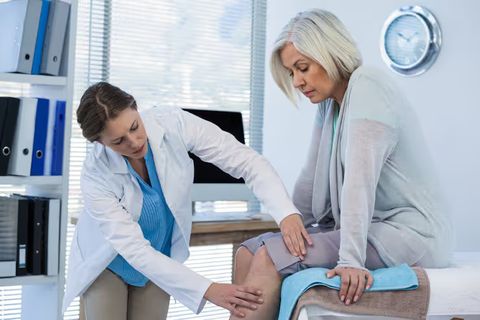
A New Path to Body Confidence: Exploring Fat Removal Clinical Trials
Fat removal clinical trials are research studies designed to evaluate the safety, effectiveness, and long-term outcomes of various body contouring and fat reduction methods. These studies may investigate surgical procedures, non-invasive technologies, energy-based treatments, injectable approaches, or other emerging techniques intended to reduce localized fat deposits. Clinical trials play an important role in advancing medical knowledge because they help researchers understand how new treatments perform under carefully monitored conditions before broader adoption within healthcare settings.
Introduction
Now matters this topic, with body goals trending across nations. Evidence-led choices win favor, global surveys reveal, whenever looks come up. Happier faces follow better results, researchers find, while refining techniques. Sharper tools emerge from labs where safety gets tested too. Proof stacks up in medical centers watching each step closely.
Looks aren’t the only reason most folks focus on losing fat - other benefits exist too. When research backs procedures, risks drop noticeably for those involved. Fresh options appear regularly since scientists challenge assumptions using tight controls. Understanding how trials work makes it easier to spot real results among shaky promises. Inside classrooms, unseen forces steer who grows the furthest. Not always talent, but quiet barriers decide if breakthroughs pass trial stages.
Most people feel this at some point, though it hits differently depending on the person. Solving it clears up confusion that's been building quietly over time.
People involved in fat reduction research come from everywhere - labs, hospitals, tech firms, regulators, those wondering if changes suit them. Real-life tests hand researchers data, revealing which approaches hold promise, where dangers lurk, which groups gain the most. Published findings quietly steer clinic decisions, feeding steady updates to routines meant to protect and improve outcomes.
Many fresh methods aimed at cutting body weight may look good, but if they skip solid medical checks, it is hard to know if they truly help. Instead of making assumptions, researchers turn to tightly managed trials to see actual outcomes. A key upside? These studies often uncover risks that brief checkups would overlook entirely. Tiny weaknesses in an approach tend to show up clearly only when tested again and again with careful oversight. Step by step, every experiment adds sharper detail to which strategies fail - and which deliver. Later on, treatment choices by physicians rest heavily on information built from precise methods. Clarity around safety emerges slowly, formed by repeated findings rather than guesses.
Truth is, many assume fresh treatments come backed by strong evidence. Still, studies start precisely because questions remain unanswered. A common idea says signing up brings definite gains. However, their real purpose sits in gathering information, not handing out cures. Clarity helps weigh participation better - particularly today, while methods that reshape human tissue continue evolving.
Recent Updates
Non-Surgical Fat Reduction
Throughout most of last year, researchers worked on methods to reduce fat without slicing into the body. Instead of surgery, certain trials focused on precision targeting while also shortening recovery time and lowering pain levels. Driven by demand, these efforts reflect a shift toward solutions that slide easily into daily routines.
Personalized Approaches
That winter, labs narrowed in on tailored looks. Since frames differ wildly, experts dug into what makes responses shift. Not everyone wants the same finish, so generic paths lost ground by spring. Care began bending to fit singular needs, quietly. When factors like how fast a body burns energy or how firm skin feels got noticed, success climbed.
Digital Monitoring And Follow-Ups
Surprisingly, fresh methods for gathering information are changing things. Recently, plenty of clinical studies began using digital monitors, patient reports, plus long-term follow-ups. This change lets researchers see deeper into treatment results and the real experience of joining. Suddenly, insights feel fuller, more human.
Ethics And Oversight
Even when fairness matters most, progress in research still creeps ahead slowly. Modern experiments now highlight open consent, participant safety, truthful reporting of outcomes, yet include oversight from independent reviewers. These actions build a steady base - making it easier to tell apart different approaches to fat studies while revealing how practical trials truly unfold.
Comparison Table
Picture common ways to lose body fat, seen in science trials. Ways folks try appear down here, sorted by what they do. Studies watch every method closely as days pass. A few adjust eating routines bit by bit. Some folks start by pulling out their gear without delay. Yet every approach faces tough checks before it counts. Often the top choice ties back to who you are, not just what you do. Hidden elements shift outcomes in ways most never see.
Common Categories
Operations that cut are meant to remove fat directly. These tend to be more intense. They require weeks before normal activity returns. Researchers check both risks and benefits closely.
Heat or energy tools aim to shrink fat cells instead. Their effect is less aggressive physically. Downtime shrinks compared to surgery. Experts judge them by real-world performance.
Cold applications freeze unwanted areas selectively. Patients bounce back quickly usually. Data review looks at success rates over time.
Sound wave methods reach tissue beneath skin surface. Side effects stay low in most cases. Rest periods differ based on individual response. Accuracy matters when shaping regions.
Electrical currents help reshape outer form gradually. Interruption to daily life stays small. Developers tweak systems for better control.
Needle injections treat spots without slicing open. Each case responds differently after treatment. Doctors watch for adverse reactions carefully.
Mixing types combines strengths of several paths. Results shift depending on chosen mix. Outcomes depend heavily on design structure.
Daily habit shifts assist weight goals long term. No instruments touch the skin ever. Commitment must continue indefinitely. Changes hinge on personal choices made regularly.
Blended strategies link multiple tactics together. Success relies on synchronized timing. Lasting change needs consistent follow-through.
Some ways of cutting fat go hard under the skin, while others just skim the top layer. Recovery time links closely to how much tissue gets affected during the process. Each round of research tweaks its target, chasing different clues than before. Spotting differences helps reveal when decisions begin matching actual outcomes. Clarity in advice comes only after tracing which routes actually deliver results.
RULES AND HOW TO FOLLOW THEM
Approval And Safety Requirements
Every country tends to test new treatments under strict conditions that care about right choices, well-being, and doctor oversight. Getting approval from authorities comes first for researchers, while following set plans designed to guard participants stands as a constant demand. Clear conversations where people agree freely form part of safety habits, just like regular body monitoring does. Outside groups step in now and then, judging whether actions match fair principles.
Understanding Trial Information
Most times, folks hear about a trial’s goal first. What could backfire comes next - shared straight out. Eligibility details follow, no hiding who fits. Tasks expected? Laid bare, one by one. Curiosity gets room to breathe here; questions pop up freely. Each individual weighs it their own way. Open talk forms the core, not rules on paper.
Eligibility Criteria
Picture researchers searching for folks just like you. Age counts, sure, yet what medicines someone took before matters too. Health right now? That shapes things more than expected. Certain tests want only very specific types - narrow paths followed closely. Looser ones let in many kinds though. Hitting each mark helps make sense of outcomes later. Safety gets guarded just the same when tests run. One place says yes, another says no. Not about shutting doors - more like drawing lines that keep things even. Every boundary exists for a reason tucked underneath.
Which Option Works For You?
Understanding Research Goals
Curious minds often turn to real test outcomes when exploring new ways to change their physique. Knowing a researcher's goal sets expectations straight before diving in.
Seeking Professional Guidance
A single conversation could shift how someone sees the trial, speaking with doctors who know both gains and risks since clear facts shape decisions. Guidance from others sometimes makes balancing options easier.
Looking At Proven Approaches
A person wondering what really works for changing their body shape could check approaches used widely in medicine, supported over time by research rather than jumping on brand-new trends without proof.
Getting Involved In Research
Picture yourself assisting physicians grasp fresh knowledge through research built to check theories. Not everyone jumps at the chance, yet some find value in contributing because findings frequently shift medical practice. Clues about beginning points tend to appear once you dig into study specifics on the web. Getting involved could involve scanning documents posted by clinics or government health portals. Every route usually points toward pages that show exactly how things unfold step by step. It takes a while to understand it all, still having a clear picture of what comes next makes choices easier for everyone.
Tools & Resources
Educational Resources
Right away, certain web-based resources welcome anyone curious about global medical research methods. Free to access no matter where you are, they break down clinical trial phases with straightforward cases drawn from actual international efforts.
Study Databases
Study databases list active or finished medical experiments. These records help track who is testing what across hospitals and labs worldwide. Each entry shows goals, methods, patient numbers, sometimes results. Public access supports transparency in health science work.
Trial Participation Guides
Pages meant for learning show how getting into trials works. Since they explain consent, the idea becomes less confusing. Every part of signing up appears laid out straight. When someone sees the way it functions, choosing feels simpler. How things are done shows up clear. Step by step, it unfolds right before their eyes.
Medical Publications
Out of labs flow findings that reveal what actually helps. Peer-reviewed research lives next to solid numbers in medical publications. Slowly, proof grows when tests repeat again and again. Once methods get reviewed by peers, scientists pass along what they found. Only after expert confirmation do findings emerge. Trusted knowledge rests on these published works.
Healthcare Professionals
Most folks bring up treatment options when they chat with medical advisors. These moments often spark thoughts on joining research projects too. New ways of handling wellness tend to surface right there in those exchanges. Ideas grow where questions get room to breathe.
Research Ethics Resources
Research Ethics Resources - Explain participant protections and oversight processes.
Learning Materials
From time to time, spaces pop up where people find reading about shape changes and healthy living. These spots stock booklets, guides, sometimes videos - ways to learn without a lecture. Not every place shouts benefits or pushes trends. Instead, they let facts sit on shelves, ready when someone wants them. Learning happens quiet here, step by step, no rush.
Most times progress shows up quietly, tucked inside reports passed between clinics. Not every breakthrough needs fanfare - just honest notes on what helps patients breathe easier, move freer. When one team finds a better way, others test it fast, adjust if needed. Truth is, change spreads like whispers down hallways, not thunderclaps. Ideas stick when nurses nod along, when charts start showing fewer setbacks. Out of constant check-ins, solid tips take shape. When specialists look at outcomes side by side, understanding deepens slowly.
Frequently Asked Questions
What is a fat removal clinical trial?
Now and then, researchers run tight experiments to see what hits hard-to-shift fat. Each round checks effectiveness along with possible hiccups. A clear aim shapes up - spotting actual change in everyday bodies. Clues built from these runs guide medical moves grounded in evidence. What keeps things safe weighs just as heavy as visible progress. From one moment to the next, movement happens through watching closely, then writing it down.
Who can participate in clinical trials?
Age might be key for one trial, yet another focuses on drugs used before. Instead of age, your medical history could tip the balance. Symptoms today hold weight, but so do records from years back. Entry often depends on clearing hurdles set by that specific research plan.
Who oversees clinical trials?
Rules exist to keep these studies in check.
Most places set strict boundaries for health research to keep participants safe. Because safety matters, researchers need approval first, then move step by step through safeguards. Review groups watch closely, stressing honesty and care along the way. While laws differ from one region to another, the purpose stays mostly the same.
Do Clinical Trials Guarantee Outcomes?
Outcomes clear only due to medical tests? Not always. Sometimes it's something else entirely.
Most people assume signing up for research brings clear outcomes. Still, studies only run because nobody has figured it out. Outcomes shift - sometimes sharply - based on countless details. Curiosity drives it; promises play no part.
How Can People Find Trials?
Checking official health databases might come first for some. Reaching out straight to the researchers? That’s another way. Medical journals - those can turn up clues now and then. A doctor who knows the field may offer useful pointers instead. Details shift, depending on which door you walk through.
Most times, word spreads about studies when folks peek at public logs or speak with physicians. Online spots made for teaching tend to lay out each project step without confusion. Someone guiding the work could clear up private concerns during a talk. Paying attention to who fits the rules holds weight equal to grasping the study's goal. How danger appears shifts per person, which makes going over warnings piece by piece useful. Expecting what comes next helps - think check-ins or records. When every detail has its moment, choices take shape more easily. Signing on opens that view.
Conclusion
Most research differs in design, still every project checks if fat loss techniques succeed long term. Starting with just a few people happens sometimes; tracking shifts over many years occurs too when spotting actual results. The clear thread? All aim at safe, proven methods for changing body shape. Progress comes quietly - built on watching closely, trying again, then having experts weigh in. Sometimes a test watches how skin reacts, yet others track what happens inside the body post-treatment. Hidden shifts appear where attention rarely goes. Understanding builds not from one outcome alone, rather through repeated efforts revealing trends. Trust comes slowly - each stage verified before moving ahead. Lasting impacts? They show up once enough evidence gathers, no rushing involved.
Final Considerations
Wondering about research on shaping the body? Each study has a clear goal worth noting. Eligibility appears right at the start. Joining involves steps that need careful attention. Protection measures stay active throughout. Peering into possibilities brings decisions into sharper view. Conversations with healthcare professionals offer insight prior to taking next steps.
Looking Ahead
One step at a time, medical studies are changing across the globe. Later on, experiments may explore care that fits each person better. Watching for side effects could become a bigger priority. Choices down the road will likely depend on what lasts. Some choices about body shape might follow proof instead of guesswork. How people tend to their looks could shift based on real results seen over time.
Disclaimer
Here’s the thing - this content shares thoughts, no promises attached. Think of it as a hint, not hard fact. Not advice, definitely not a substitute for real expertise. Depending only on this? Might not work out well. Dig further. Ask people who know. Decide for yourself.