Mobility Training for Seniors Explanation for Training Approaches and Functional Independence
Most days, older adults move more because people live longer now. Because they know prevention helps, fitness matters even at advanced ages. Staying on your feet keeps daily tasks possible without help from others. Often, simple movements make self-reliance last much further into later years. Mobility isn’t just motion - it shapes how well life feels every morning.
Simple gear - resistance bands, stationary bikes, even sturdy benches - shows up often in today's workouts, helping build strength and balance. Though talk about pre workout formulas, including popular ones like C4, fills many gym conversations, older adults usually take extra care when considering them, relying on expert advice. Movement that’s steady, practical, and gentle stays at the core of these routines.
People impacted and issues addressed
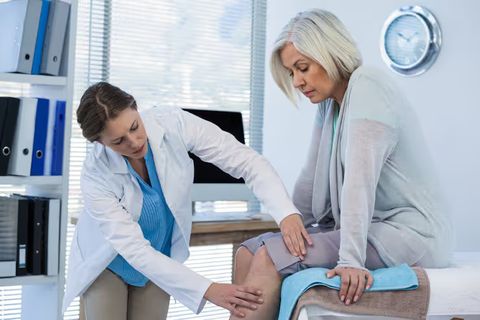
Older people who feel stiff, wobbly on their feet, or weak in their muscles often gain something real from working on movement skills. When healing after an injury or living with changes brought by aging, moving more can quietly make daily tasks easier. Those giving care or medical help are right there, shaping how these exercises take shape and stay safe.
Everyday actions like walking or going up steps might become tough without regular movement practice. Balance could feel less steady, making slips more likely. Independence often dips when these small struggles add up.
Issues It Addresses
- Reduced balance and coordination
- Limited flexibility and joint stiffness
- Muscle weakness and decreased strength
- Increased risk of falls and injuries
- Difficulty performing daily activities
- Loss of independence in movement
recent updates and trends
Last twelve months brought shifts in how people train to move better - functional fitness took center stage, spotlighting actions common outside the gym. Movements shaped by everyday tasks now guide workouts, giving older adults tools to stay self-reliant.
Out in many homes, older adults reach for light gear like stretchy loops or pedal gadgets they can use sitting down. Because these items won’t jar joints or demand balance tricks, folks keep coming back. Movement stays steady. Pressure on muscles builds slow - just enough to help, never harm.
Home workouts are catching on more these days. For older adults, step-by-step sessions with basic gear make things easier - no fancy systems needed. A sturdy bench might help hold balance during sits or lifts. Instead of heading out, many find it works just fine right where they live.
Out there, digital health apps plus learning sites now open doors to organized workouts. Still, staying safe and nailing the right moves always comes first, no matter the method.
Mobility Training Approaches Overview
Staying steady comes from balance drills using just your body or a rail to hold. Muscle power grows when you push against bands or press down on a bench. Joints move easier after stretches with straps or mats under tension. Pedaling a stationary bike keeps the heart strong and lifts daily energy. Tasks like reaching or lifting get simpler with light gear that copies real life.
Working hand in hand, these methods boost how well someone can move and handle daily tasks. Movement gains come through combined strategies that build real-world strength over time.
Laws and Policies Affecting Senior Health and Mobility
Older adults find help through community efforts focused on movement and daily function. Public agencies plus medical groups encourage exercise within plans for growing older well. Movement gains attention where leaders back habits that keep bodies working.
Older adults in India find help through wellness efforts that promote moving often, staying steady on their feet, later recovery aid. Local care projects sometimes offer learning sessions along with simple tools for movement routines.
Starting slow helps older adults stay steady during workouts. Supervision shows up as a quiet guard against slips or falls. Movement gains work better when steps forward feel small, almost invisible. Safety rules act like background checks each time someone moves more than before.
Practical Guidance Table
When movement is hard, begin with gentle activities. Stability work matters most if balance feels off. Resistance bands help when muscles lack power. Spinning a bike often lifts staying power over time. Small steps bring change without strain showing fast. Falling less becomes possible through steady practice. Support grows stronger by repeating simple efforts. Energy builds slowly when effort comes often.
Tools and resources for mobility training
Starting with basic gear, mobility workouts become doable at any age. From one day to the next, progress shows when routines stay steady. Using everyday items makes it easier to keep going without fuss. Improvement comes not from complexity but regular effort. Over time, movement feels smoother thanks to repeated practice.
Common Tools and Resources
- Resistance bands for strength training
- Exercise cycle for low-impact cardio
- Gym bench for support during exercises
- Instructional guides and training programs
- Monitoring tools for tracking progress
Tools Comparison Table
Bands that stretch adjust how hard you work muscles. Pedaling slowly builds stamina without stressing joints. A flat surface holds steady during lifts or stretches. Step-by-step plans keep workouts on track over time. Devices showing numbers help notice small gains after weeks.
Frequently Asked Questions
What is mobility training for seniors?
Mobility training involves exercises that improve movement, balance, and strength to support daily activities.
How often should seniors perform mobility exercises?
How often you do it hinges on your own skill level, yet aiming for multiple sessions each week tends to work well. Most people see better results when they stick to a steady routine.
Are resistance bands safe for seniors?
True, people often pick resistance bands since they deliver steady pressure that you can tweak easily.
Can seniors use fitness supplements?
Only with expert advice should something like a pre workout supplement be used. A trainer or doctor knows when it might help. Using these without checking first can cause problems. Guidance matters because every body reacts differently. Some find energy boosts useful; others feel jittery instead. Professionals watch for risks before saying yes. Safety comes first, always.
What is the benefit of using an exercise cycle?
From a seated position, movement repeats steadily on a pedal machine. This kind of motion eases strain while raising stamina over time. One benefit stands out: joints stay protected during effort. Still, breathing deepens just enough to strengthen heart function. Over days, the body adapts without sudden stress.
Conclusion
Older adults who work on movement skills stay more self-reliant over time. Instead of just aging passively, they build stability through steady practice. Balance improves when routines include small challenges throughout the day. Strength grows not from intense effort but consistent motion. Flexibility shows up in simple actions like reaching or turning. Endurance builds slowly, revealed during walks that feel easier week by week. Daily tasks become smoother once the body moves with greater control. Safety increases without attention being drawn to risk. Movement becomes familiar rather than feared.
These days, workouts often focus on movements that help with everyday tasks. Instead of intense routines, many choose gentler options that protect joints. Tools like stretchy bands or pedal exercisers show up a lot in these sessions. Though people talk constantly about pills and powders elsewhere, older adults’ movement programs skip those entirely. Safety matters more than speed here. Long-term consistency shapes every choice, quietly guiding what works best.
Most older adults move better when practice happens regularly, using clear methods alongside useful gear. Because progress builds slowly through careful movement drills, balance grows stronger over time instead of overnight. Fewer stumbles happen once confidence links with repetition under steady guidance. Independence stays within reach mainly due to repeated effort shaped by support and routine. Well-being holds firm where motion meets purpose without rushing ahead.
Disclaimer:Just so you know, what's here is meant to share info, nothing more. Accuracy isn’t promised - take it as a starting point, not proof. This isn’t expert guidance, nor should it replace one. Relying solely on these words? Probably unwise. Look deeper, talk to specialists, form your own view.