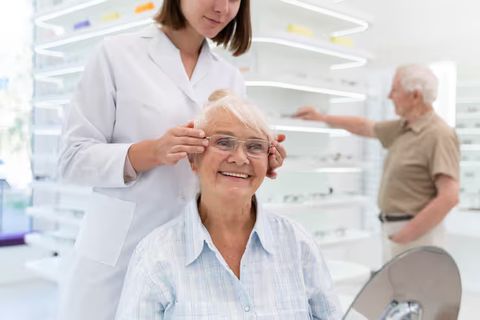
Vision Care for Seniors Guide With Modern Eye Care Solutions and Healthy Aging Tips
Throughout the aging process, eye function begins to change. This can impact depth perception, contrast sensitivity, color discrimination, focusing ability, and near vision. While the natural changes that occur in the eye are often an inevitable part of aging, eye care and proper detection of eye conditions can play a vital role in preserving eyesight.
Modern eye care offers comprehensive eye examinations, cutting-edge diagnostic imaging, digital eye screening, and preventative care, in addition to a range of treatment options and surgical procedures to address age-related vision concerns. Medical eye care professionals utilize a variety of advanced diagnostic tools and non-invasive procedures to identify and treat many eye conditions.
Vision care for seniors offers numerous benefits to older people, caregivers, medical professionals, senior care facilities, and even organizations focused on senior wellness. Gaining an understanding of eye conditions and eye care for seniors can help in making educated healthcare decisions, while also promoting healthy living and eye safety. Before diving into the latest advances in senior vision care, it may be worth identifying who exactly benefits from senior vision care and what issues vision care addresses.
Who It Affects & Problems It Solves
Senior vision care offers benefits to older people, caregivers, senior care facilities, eye doctors, medical professionals, and even organizations focused on senior wellness. Maintaining healthy eyesight can help support independent living, including proper mobility, communication, medication management, reading, and even driving when appropriate.
Age-related changes to vision can make it harder to perform everyday tasks. Reduced contrast sensitivity, increased glare, reduced adaptability to changes in lighting, and even reduced sharpness of vision can impact one’s ability to read, recognize faces, climb steps, or maintain balance. In some cases, eye conditions can develop gradually without displaying early symptoms. This is why eye examinations are so important for detecting vision changes at an early stage.
Vision care can help to detect subtle changes that might indicate vision problems. In many cases, eye care can help manage conditions while reducing the risk of falls and supporting independent living.
Recent Updates
Vision care has seen a number of exciting updates in terms of technology and eye care procedures. New diagnostic imaging is allowing eye doctors to see the retina in greater detail than ever before. Additionally, artificial intelligence is playing an increasingly important role in helping to screen and identify eye conditions and diseases.
Modern cataract surgery is seeing an increasing number of advanced intraocular lenses that enable faster visual recovery following the procedure. Telemedicine has also made it possible for eye doctors to provide vision care support and education for seniors in a remote setting.
Comparison Table
The table below shows a comparison of common vision care options for seniors.
| Eye Care Option | Description | Main Benefits | Who It Applies To |
|---|---|---|---|
| Eye Examination | General eye health evaluation | Early diagnosis | All Seniors |
| Eyeglasses | Vision correction | Improved Day-to-Day Functioning | Refractive Errors |
| Contact Lenses | Vision Correction | Alternative to Eyeglasses | Select Patients |
| Cataract Surgery | Cloudy Lens Removal | Improved Visual Clarity | Cataract Patients |
| Low Vision Rehabilitation | Vision Restoration | Increasing Independence | Reduced Vision |
| Retinal Imaging | Eye Health Screening | Early Diagnosis for Eye Disease | Routine Eye Care Patients |
| Optical Coherence Tomography (OCT) | Retinal Evaluation | Advanced Diagnostic Imaging | Eye Conditions Affecting the Retina |
| Vision Therapy Program | Vision Improvement Therapy | Enhanced Eyesight | Specific Eye Conditions |
| Eye Protection | Eye Safety | Reducing Risk of Eye Injury | Activities and Occupations that Require Eye Protection |
| Lifestyle-Based Eye Care | Healthy Eyesight | Prevention of Eye Disease and Vision Loss | All Older Adults |
The table above shows how different eye care options can help address different eye health needs. It is important to note that not all eye care options are suitable for everyone. The most appropriate eye care options will depend on a person’s overall eye health needs, existing eye conditions, lifestyle demands, medical recommendations, and personal preferences.
Regulations and Practical Advice
Vision care generally follows national regulatory guidelines, medical eye care standards, infection control best practices, and patient safety regulations. Eye examinations typically involve a series of routine tests, including visual acuity tests, eye muscle tests, and eye health exams. Seniors should speak with an eye doctor to arrange regular eye examinations, particularly if one has pre-existing medical conditions affecting vision or other chronic illnesses. It is also important to seek emergency medical care in the event of sudden vision changes or other vision-threatening conditions.
Healthy eye care also includes adopting healthy habits on a day-to-day basis. This may involve practicing UV eye protection while outside in sunlight, getting enough lighting while reading, taking regular breaks from digital screens, and taking medications and prescribed treatments as directed. Lifestyle adjustments may also be necessary in some cases to reduce or eliminate activities affecting eye health.
Common Age-Related Eye Conditions
There are a number of eye conditions that become more prevalent with age.
Cataracts occur when the natural lens of the eye becomes cloudy, which results in blurred vision and increased sensitivity to glare. Age-related macular degeneration generally impacts central vision, making it harder to read or recognize faces. Glaucoma involves damage to the optic nerve, usually as a result of increased eye pressure, and often does not display early warning signs. Diabetic eye disease is a complication of diabetes and often impacts the retina, making regular eye examinations vital for diabetic patients. Finally, dry eye syndrome becomes more prevalent with age and often involves vision fluctuation, burning sensations, and dryness of the eyes.
The early diagnosis of eye conditions is often key to managing them, which is another reason why eye examinations are so important.
Healthy Aging Tips for Better Vision
Healthy aging involves adopting a range of lifestyle changes to promote long-term eye health and prevent vision loss. Some helpful senior eye care tips include:
- Regular eye examinations as recommended by an eye care professional.
- Taking prescribed medication and treatments as directed.
- Eating a healthy and balanced diet that includes plenty of leafy greens, fruits, and omega-3-rich foods.
- Staying physically active within recommended limits.
- Managing chronic conditions, including diabetes and hypertension.
- Wearing UV-blocking sunglasses when outside.
- Getting enough lighting when reading or doing detailed work.
- Not smoking or avoiding second-hand smoke.
- Staying well-hydrated throughout the day.
- Reporting unusual vision changes to an eye doctor immediately.
Tools and Resources
There are a number of eye care resources designed for seniors, including:
- Vision Screening Programs – Promote regular eye health check-ups.
- Digital Appointment Scheduling – Facilitate eye examinations and follow-up care.
- Medication Reminder Tools – Help to manage eye health treatments and prescriptions.
- Low Vision Resources – Provide helpful information on living with low vision.
- Healthy Aging Resources – Provide general health information and guidance. Senior wellness programs often incorporate eye health as a vital element.
- Nutritional Resources – Provide information on healthy eating and diet for better eye health.
- Patient Educational Resources – Highlight eye conditions, treatment options, preventative care, and healthy lifestyle choices to help in maintaining healthy vision.
These resources can help seniors, caregivers, and medical staff alike to promote and support healthy eyesight.
Frequently Asked Questions
How often should seniors get their eyes tested?
It often depends on a person’s age and overall eye health. Most seniors benefit from a comprehensive eye examination as recommended by an eye care professional.
Do changes in vision necessarily come with aging?
While some changes to vision, such as reduced near vision or the need for more light when reading, are a normal part of aging, it is important to discuss any vision changes with an eye doctor to rule out eye conditions. Any sudden changes to vision should be brought up with a healthcare professional immediately.
Can I reduce my risk of eye disease and vision loss?
Most eye conditions can be prevented or managed if diagnosed early. Maintaining a healthy lifestyle can also reduce the risk of developing many chronic diseases, including diabetes and hypertension, which can impact vision. Lifestyle adjustments, such as avoiding smoking, can also help in reducing vision loss.
When should I see an eye doctor for sudden vision changes?
Vision loss, sudden flashes of light, severe eye pain, and sudden increase in eye floaters should always be brought up with an eye doctor, as these can indicate serious eye conditions. It is always best to seek emergency medical care if one experiences sudden vision changes.
Why are eye examinations important for seniors?
Most eye conditions develop gradually and do not display early warning signs, which is why it is so important for seniors to get their eyes tested regularly, even if one does not feel that anything is wrong.
Conclusion
Eyesight plays a crucial role in seniors’ independent living, mobility, communication, and overall quality of life. Vision changes throughout the aging process, but regular eye examinations, healthy lifestyle habits, and eye protection can help in preserving eye health. Modern advancements in eye care, including new imaging technology, digital eye screening, and modern vision care procedures help in providing seniors with the best possible healthcare options.
Seniors should take advantage of regular comprehensive eye examinations, as well as a balanced diet, lifestyle adjustments, and eye protection to enhance eye health and make informed medical decisions.
As the field of vision care for seniors continues to evolve, future eye examinations will likely leverage additional artificial intelligence-assisted technologies, advanced diagnostic imaging, innovative treatment options, and even telemedicine to support senior eye health and promote healthy aging for years to come.
Disclaimer: Just so you know, what's written here is meant to share info, nothing more. Accuracy isn’t promised - details might shift, slip, or miss the mark now and then. This isn’t a substitute for expert guidance, even if it feels helpful at times. Decisions shouldn't hinge on these words alone. Looking deeper yourself matters most when something counts.