Menstrual Health & Hygiene Guide With Women's Wellness Insights And Knowledge
Menstrual health and hygiene are important aspects of overall well-being for millions of people worldwide. Menstruation is a natural biological process that occurs as part of the reproductive cycle, and maintaining good menstrual health involves understanding physical changes, practicing proper hygiene, and supporting overall wellness. While menstruation is a routine part of life for many individuals, awareness and education remain essential for promoting comfort, confidence, and informed health decisions.
Nowhere is the shift toward openness clearer than in talks about periods. Health workers, teachers, and outreach groups now spotlight menstruation more often. Better knowledge about cycles leads to stronger well-being, sharper self-awareness, and smarter daily decisions. When people grasp what happens during each phase, they notice shifts sooner. Clarity replaces confusion when it comes to personal care routines.
Most people think about periods just once a month. Yet staying comfortable during that time often depends on small daily choices made quietly throughout life. Comfort comes not only from products but also how they are used, stored, and changed. Irritation sometimes slips in when routines get rushed or overlooked. Simple actions build steady confidence over weeks, months, years. Young teens learn faster if facts arrive without drama or shame. Adults might recognize patterns only after years pass. Parents notice shifts before words appear. Teachers see focus waver at predictable times each cycle. Nurses connect symptoms others miss too long. Everyone involved meets different hurdles - some practical, others hidden inside silence. Looking closer reveals more than biology alone explains.
Who Is Affected and What Issues Are Addressed
Periods touch lives at every age. When young people start bleeding, they usually need help understanding what comes next. Habits around managing cycles tend to grow more steady with time. Some adults settle into ways that ease discomfort naturally. Teachers or parents often step in, quietly offering knowledge when it is needed most. Support shows up in small moments, not grand plans.
Most people feel unsure when they do not know how periods usually work. When details about cleanliness or cramps are unclear, it often causes stress without reason. Learning correct facts brings clarity - simple routines become easier to follow. Clear guidance shapes better choices, slowly building confidence over time.
Most folks find it tough to grasp how different periods can be. Not one cycle runs exactly like another - lengths shift, bleeding changes, discomfort varies. Yet knowing what's typical opens space to notice what’s off. With more talk around menstruation lately, helpful details and tools are easier to come by than before.
Recent Updates
Now more than ever, talks about well-being include conversations around periods. Because of shifts in healthcare messaging, tracking your cycle and knowing how to care for your body are seen as key pieces of staying healthy. With time, people have started grasping these ideas better. Awareness grows when facts spread quietly through everyday talk.
Surprisingly, more people are turning their attention to apps that follow monthly cycles. Not just tracking days - symptoms get logged too, often alongside mood or energy shifts. Because these digital helpers collect details over time, recognizing what's normal becomes easier. When visits to doctors happen, having a record means clearer talks about body changes. Some find it useful simply to notice patterns they once missed completely.
These days, more studies are diving into period health than ever before. Because of growing evidence, doctors now see clear links between daily habits - like eating well or managing stress - and cycle patterns. Instead of treating periods separately, people are starting to connect them with general health. What happens each month might say a lot about what's happening in the rest of the body.
Now easier to reach, education efforts are growing steadily. Because of outreach by health groups, facts about wellness spread further, breaking silence while pushing better habits. With time, these steps help clarify what really matters when it comes to periods and cleanliness.
Comparison Table
Menstrual hygiene habits often bring clear advantages. Some routines improve comfort during periods. Others help reduce odors naturally. A few support better skin health around sensitive areas. Certain choices lower chances of irritation. Many users notice increased confidence throughout the month.
Hygiene Practices. Regular Product Changes. Hand Washing. Daily Bathing or Showering. Proper Product Disposal. Wearing Comfortable Clothing. Hydration. Cycle Tracking. Skin Care During Menstruation. Balanced Nutrition. Adequate Rest.
Every habit matters when it comes to handling periods well. From one person to the next, staying comfortable often depends on small routines done regularly. Sticking to these steps makes a difference over time. How someone feels during their cycle ties closely to how they care for themselves each day. Confidence grows quietly through steady choices.
Menstrual Health Information
Most people who get periods will notice their cycle acts differently at times. Hormones shift each month, getting things ready just in case a pregnancy happens. When that doesn’t take place, the body releases the extra lining it built up. Sometimes bleeding lasts longer, sometimes shorter - no two patterns are exactly alike. What feels usual in your twenties might shift by your thirties. Each phase of life brings small adjustments you start to recognize.
Washing regularly helps keep things balanced during your period. Switch out pads or cups when needed - following how often they’re meant to be changed makes a difference. Hands should get washed too, every single time before and after handling anything down there. Comfort grows when choices match what feels right for you day by day. What works changes from person to person; trial brings clarity.
One person might barely feel a thing during their period. Yet another could deal with cramps, low energy, shifting moods, head pain, or a puffy belly. Spotting your own rhythm gives you clarity on what's normal. When things shift suddenly, it might be time to talk with someone who knows health. Each body moves differently through these cycles.
Something small like daily habits can shape cycle experiences. Eating a variety of foods matters, just as much as drinking enough water does. Moving the body regularly plays a role, while restful nights often make a difference too. How someone handles pressure throughout life ties into this pattern. Each piece fits within a larger picture of well-being that includes monthly rhythms.
Rules and How to Follow Them
Most nations require menstrual hygiene items to follow strict safety rules. Because of regulations, things like label details and materials used must be checked carefully. Safety checks mean people get reliable info plus trustworthy goods. Rules exist so every batch stays consistent and honest about what it offers.
Now think about how clean hands matter more than most realize. A shift in monthly bleeding might catch attention, yet tracking it quietly offers clues. Doctors across countries suggest staying alert to such shifts without panic. Sometimes a late start means little; other times it signals something deeper. Noticing flow strength or pain levels builds personal insight. This kind of watchfulness often reveals what blood tests miss. Changes in timing could link to stress, diet, travel, even altitude. Each body speaks differently, though patterns tend to whisper before shouting. Spotting odd signs early keeps conversations with clinicians grounded. Awareness becomes useful only when tied to consistency. What feels normal varies wildly person to person. Regular observation simply creates a baseline others cannot give.
Looking at periods through a wide lens makes sense. Clean habits matter - so does eating right, staying active, plus keeping emotions steady. Knowing what works helps people choose better day by day. Real understanding grows when facts are clear, available. Whole-body care shapes how folks handle their cycle year after year.
Which Option Fits Your Situation?
Starting periods can feel strange, but learning what to expect makes it easier. When young people understand how cycles work, they often worry less. Some find tracking symptoms helps them feel more in control. Knowing about pads or tampons ahead of time reduces surprises. Comfort grows when questions are answered clearly. Confidence comes from facts, not fear. Early talks at home or school make a difference.
Tracking periods might start a person's journey toward better monthly health. Staying aware of body rhythms often follows when daily choices lean into balance. Hygiene matters just as much as movement or rest throughout the month. Small repeated actions build up clearer signals from the body over time. Well being shifts slowly, shaped by steady routines rather than sudden fixes.
When periods shift in unexpected ways, tracking what happens day to day brings clarity. A talk with a trained medical provider opens space for honest answers. Each person’s cycle responds differently - insight comes from tailored advice built on real details.
Open talks about periods start when trusted adults share clear facts. A chat here, a quiet moment there - these matter more than speeches. Comfort grows where questions get answers without shame. When someone feels safe to ask, learning follows. Tools that track cycles or explain changes come next, fitting into lives quietly. Resources work best when they meet people where they already are.
Tools & Resources
Several resources can help individuals better understand and manage menstrual health and hygiene.
Tracking your period becomes simpler when apps log changes day by day. Patterns show up clearly over weeks of recorded details. Symptoms like mood shifts or cramps get noted each time they appear. Energy levels and sleep habits often tie into monthly rhythms too. Wellness clues build up quietly across cycles. Seeing everything together helps make sense of fluctuations.
Health Education Resources - Provide information about menstrual health and hygiene practices.
Tracking health signs, daily routines, or shifts in cycles finds help through Wellness Journals. A place to note how things change over time shows up clearly here.
Staying on top of water intake? That happens more easily with tools designed to help. These helpers remind you when it is time to drink. Wellness gets a quiet boost just by keeping up. Fluid balance matters, even if it goes unnoticed most days. Some people find tracking makes a difference they can feel.
Nutrition Planning Resources - Provide guidance on balanced eating habits.
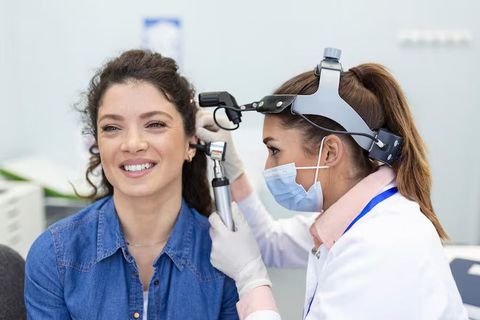
A visit to a specialist can clarify period-related issues. Talking through symptoms helps shape better responses. Guidance comes from trained experts who listen closely. Each concern gets reviewed with care. Support focuses on what you actually experience. Advice adjusts when needed. Clear answers replace confusion over time.
Some groups focused on women’s well-being pass out guides about periods and how bodies work. These materials help explain what happens during monthly cycles along with details about staying healthy down there.
From time to time, useful tools appear that guide clearer choices around periods. Nowhere is this more true than in understanding how your body works each month. Questions pop up - lots of them - about staying clean and feeling well during menstruation. Well-built materials step in here, offering answers without confusion. Each detail fits together like pieces others leave scattered.
Frequently Asked Questions
What is menstrual health?
Periods aren’t just a monthly thing - they shape how you feel, think, and move through daily life. From spotting changes to handling cramps, staying aware matters at every age. Hygiene plays its part, but so does rest, mood tracking, even talking openly when it feels odd. Wellness here isn’t one-size-fits-all - it shifts with time, body, and experience. Knowing your rhythm helps, yet listening to your body often says more than charts ever could.
Why is menstrual hygiene important?
Comfort comes easier when managing periods with care. Staying clean helps lower discomfort, one day at a time. Confidence grows when basics are handled quietly. Daily life moves smoother with small, steady habits in place. Well-being ties closely to how the body feels each phase of the month.
How often should menstrual products be changed?
Most of the time, how often you change things hinges on what kind of item it is, how a person uses it, also what the maker suggests. Staying on schedule usually keeps things clean plus comfortable. Instructions matter - they guide proper handling without issues. What works best comes down to details found in the guidelines.
Is it normal for menstrual cycles to vary?
Most people do not experience periods exactly alike. Flow might shift, timing often differs, while cramps or mood shifts come and go in unique ways. Through teen years, adulthood, or closer to menopause, patterns tend to change. When something feels off - stronger pain, sudden heaviness, skipped months - it makes sense to talk with someone trained in health care.
When should someone seek professional advice about menstrual health?
When periods turn intense, shift suddenly, or feel off in some way, talking to someone trained might help. Depending on what’s going on, a health provider can look closely at your situation. Their advice fits only you - shaped by details others wouldn’t notice. What works for one person often misses the mark for another.
Conclusion
Periods matter when it comes to staying well. Because knowing how your cycle works makes daily life easier. Staying clean during menstruation keeps irritation away. When you track what happens each month, surprises happen less often. Learning about changes in your body builds awareness over time. Small habits add up to feeling more in control. Noticing signals from your body leads to smarter choices. Knowledge becomes useful when applied without pressure. Everyone benefits when facts replace guesswork. Clarity grows where information is clear and calm. Understanding shifts reduces unease around monthly rhythms. Confidence shows up when confusion fades slowly. Health feels different once patterns make sense. Realizing what's normal takes practice, not perfection. Education opens doors that silence tends to close tightly.
Every person's period story looks different - no blueprint fits all. Staying clean matters, just like eating well or moving your body each day brings balance. Trusted knowledge helps make sense of changes month after month. If something feels off, talking with a trained helper often clears the fog.
More people are learning about period health now than before. Because of this shift, knowledge spreads easier. Tools for feeling better during menstruation show up more often online. Information helps users make choices that fit their lives. Learning supports healthier habits over time. People find what they need without confusion. Understanding grows quietly but steadily.
Disclaimer: Just so you know, what's written here is meant to share info, nothing more. Accuracy isn’t promised - details might shift, slip, or miss the mark now and then. This isn’t a substitute for expert guidance, even if it feels helpful at times. Decisions shouldn't hinge on these words alone. Looking deeper yourself matters most when something counts.