Leg Softness Exfoliation Ritual Guide With Skincare Insights And Information
Healthy-looking skin is often associated with consistent care and attention to daily skincare habits. Among various skincare practices, exfoliation remains one of the most widely discussed methods for improving skin texture and maintaining a smooth appearance. When applied correctly, exfoliation can help remove the buildup of dead skin cells that naturally accumulate on the skin's surface over time. This process may contribute to legs that feel softer and appear more even in texture.
Lately, folks pay closer attention to their whole body when it comes to skincare - not just the face. Studies around the world show rising interest in products that keep skin on arms, legs, and torso feeling smooth and looking vibrant. Smoothing out rough spots on lower limbs now fits into daily habits for plenty of users, thanks to its role in fighting flakiness and patchy surfaces.
Most folks overlook why shedding dead cells matters, yet it shapes how skin feels day by day. Smooth texture might come easily to one person, while another battles tightness or peeling - often thanks to weather shifts, daily routines, or where they live. Peeling back what exfoliating actually does reveals its spot within bigger care patterns. Seeing that link lets someone pick products based on real results instead of trends. Skin comfort often rises when steps match personal signals, not generic rules.
Leg Softness and Skin Texture Explained
Cells at the top of your skin replace themselves nonstop. When fresh ones form below, old ones rise slowly, then fall away. Yet that turnover does not clear every bit cleanly. Surface layers might still hold tired cells, leaving texture uneven or lackluster.
Moisture inside your body plays a big role in how smooth your legs feel. When the air pulls out too much wetness, surfaces tend to stiffen up. Skin that does not get enough lotion often turns coarse over time. Hot showers, especially long ones, strip away natural oils. Type of fabric rubbing against limbs matters more than most notice. Sweat during movement mixes with fibers, sometimes leading to irritation. People with naturally oily layers handle dry zones better. Cold climates tighten pores, changing touch quality. Everyday routines shape surface response without warning. Small habits build up, either helping or harming.
Smooth skin often comes from clearing away old surface cells. Because it clears the way, moisture treatments sink in deeper. When you know how shedding works, routines make better sense.
Why exfoliating legs matters
Smooth skin often comes from clearing away old cells. When those dull layers go, touch reveals a gentler texture underneath. Some people target elbows, knees, even shins because scrubbing helps where bumps gather. Routines gain this step when surfaces feel uneven. Results show up fast - grittiness fades, replaced by something sleeker.
Some people notice their skin looks livelier after exfoliating now and then. When old cells pile up, brightness tends to fade a bit. With consistent removal, fresh layers underneath slowly show through instead. A smoother finish often follows without much effort.
Smooth skin lets lotions sink deeper. Once dead cells lift away, creams meet clean ground instead of sitting on top. That mix - clearing then quenching - shapes most full-care leg plans you’ll see around.
Now here's a smoother way through rough spots - light scrubbing sometimes eases flaky areas while lifting how skin feels day to day. Still, too much rubbing might spark redness or raw reactions if rhythm gets off track.
Types of Exfoliation Methods
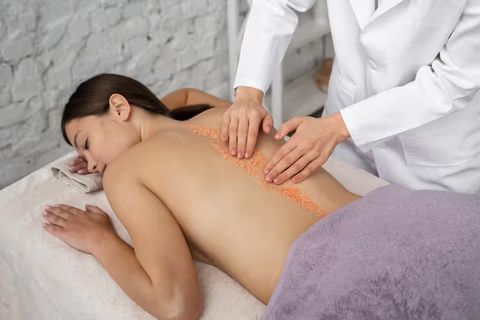
Smoothness often comes from rubbing away dull surface layers by hand. Tools like grainy pastes, rough cloths, bristle pads show quick results you can feel right away. Some prefer gloves that grip skin gently during washing. Brushes move across the body pulling off tired flakes. Each stroke clears space for fresher texture underneath.
Dead skin cells stick together, but certain skincare chemicals break those links gently. Found often in lotions and washes, AHAs or BHAs smooth texture by dissolving surface buildup slowly. Scrubbing hard isn’t required since these compounds work on their own over time.
Starting with both scrubbing and acids might seem smart. Yet care matters when mixing types - too much can overwhelm the surface. Picking one path usually comes down to how skin reacts, what feels right, or what result someone wants.
Building a Simple Routine for Smoother Legs
Warm water often comes first, softening skin before anything else happens. Bath time becomes a favorite moment for some, opening the door to smoother textures later. Comfort tends to follow when steps unfold gently, without rushing ahead.
Start slow when rubbing away dead skin. Too much pressure usually does more harm than good, often leading to redness. Instead of rushing, pay attention to spots like elbows or heels - places that tend to feel tight or grainy. Smooth outcomes come easier that way.
After scrubbing away dead cells, skin needs moisture right away. When water still sits on the surface, that is when lotion works best. Glycerin pulls in hydration, while hyaluric acid holds it deep within. Shea butter adds richness, whereas ceramides strengthen what keeps moisture locked in. Each ingredient plays a role, yet together they keep texture smooth.
Most times, sticking to a routine beats going hard now and then. A gentle scrub every few days might work out better than harsh sessions once in a while. How skin reacts gives clues on how often to do it. Some notice changes fast, others need time to see shifts.
Common Mistakes To Avoid
Overdoing it with scrubbing shows up a lot. Even though peeling off dead cells helps, going too hard might weaken your skin’s shield, leading to redness or discomfort. Skin experts often suggest tuning how often you do this by paying attention to how your face reacts day to day.
Pushing too hard while scrubbing skin creates problems. It doesn’t clean better - actually tends to irritate. Light motions work just fine most times. Overdoing force brings more harm than gain.
Moisture often gets forgotten, even though it matters just as much. When you scrub away dull surface layers, water loss stays behind - unfixed. After clearing out old cells, follow through by soaking the skin so it feels smoother, looks stronger. A steady drink of hydrating product keeps things balanced.
One step at a time works better when adding exfoliants to your routine. Slowing down helps spot reactions before they become problems. Jumping in all at once? That often leads to redness or sensitivity no one wants.
Seasonal Considerations
Winter air tends to pull moisture from skin. When temperatures drop, hydration matters more - especially once dead cells are removed. A softer scrub routine might work better when the wind bites and skin feels tight.
When temperatures rise, sweat tends to increase along with time spent outside. Because of this, gently clearing the skin now and then keeps it feeling steady. Rather than letting dullness settle in, occasional exfoliating helps maintain a clearer texture. Even so, staying consistent matters more than doing too much at once.
Weather shifts, daily routines, maybe even how you feel about your skin - these shape how you adapt. Sticking to changes usually works more than holding tight to one plan all year long.
Frequently Asked Questions
How often should legs be exfoliated?
Once in a while might work fine, though it really hinges on how your skin reacts. Some notice clearer texture after scrubbing lightly two times per week. Paying close attention helps spot any red flags early. Each person's rhythm shifts based on what feels right day to day.
Can exfoliation make legs feel softer?
Smoothness might come easier when old surface cells get cleared away. Alongside regular hydration, clearer skin often follows with patience. Over weeks, rough patches tend to fade.
Which works more effectively: scrubbing skin with tiny particles or using substances that dissolve dead cells?
One way isn’t always right for everyone. Feeling it work on the spot? That’s physical scrubbing. Smoother change across the face often comes from chemicals doing their job beneath. What fits best shifts from person to person, day to day. Skin type leads the choice - comfort matters just as much.
Should moisturizer always be applied after exfoliation?
After scrubbing away dead cells, applying a moisturizer tends to work well. It keeps things damp where it counts. Water levels matter more than most think once you’ve peeled off the old bits. Smooth results often stick around longer when moisture stays balanced.
Can sensitive skin benefit from exfoliation?
Most people who have delicate skin find success exfoliating if they pick mild formulas and do it once in a while. Talking to someone trained in skin care makes sense when issues pop up.
Conclusion
Smooth legs start on the inside, shaped by how your skin renews itself, how much water you drink, plus what you do each day to care for it. Removing old surface cells now then helps clear the way for softer touch and better feel. Moisturize often, follow through regularly, results tend to show up clearer that way. Together these steps build something steady - skin feels easier, looks calmer, moves lighter.
Starting slow works better when clearing dead cells. Skin talks back if you listen closely enough. A method that fits how your face feels today beats a fixed routine every single time. Harsh scrubs might seem strong yet often cause quiet damage beneath. What matters grows clear after weeks of steady choices - soft motions, smart picks, watching small changes. Overdoing shows up later as redness or tightness others ignore. Balance stays longer than speed ever could.
These days, more people pay attention to how they treat their bodies. Smooth legs often come from regular scrubbing. When skin feels nice, it usually means care happened along the way. Over time, brushing away dry bits helps keep things even and calm. Careful rubbing shows results after a while. Most notice softer texture when they stay consistent. Healthy glow tends to follow simple habits done again and again.
Disclaimer: Just so you know, what's written here is meant to share info, nothing more. Accuracy isn’t promised - details might shift, slip, or miss the mark now and then. This isn’t a substitute for expert guidance, even if it feels helpful at times. Decisions shouldn't hinge on these words alone. Looking deeper yourself matters most when something counts.